Marketers, publishers, creators and digital strategists from across the country met in Raleigh, North Carolina, for the 2025 Digital Media Summit on November 12 and 13. The event brought together teams facing the same pressures. Audiences are shifting, behaviors are changing and the playbook for digital performance looks different than what it did even a year ago.
Across two days of presentations and discussions, a shared theme emerged. The way people discover and consume content is changing fast. Algorithms prioritize different signals. Younger audiences find products in different places. And brands need a more thoughtful approach if they want their digital investments to produce meaningful results.
These conversations revealed how quickly digital strategy is shifting and why certain practices matter now more than ever. In the sections below I share five key strategies and insights from the Summit. Together they offer a practical roadmap to strengthen digital performance and help your content work harder across every channel.
Content Has Become the Product
Speakers repeatedly returned to the same idea. Content is not a promotion tool. It is the product. Platforms now recommend material based on a user’s interests, not just because it comes from an account the user follows. That change means content must be built to stand on its own and hold attention long enough to build trust.
Long-form content plays a growing role in this environment. It behaves more like a show with recurring characters and storylines that encourage the audience to return. When brands treat content like programming, they create a reason for people to stay and participate.
“Content that delivers value on its own becomes the engine that drives discovery.”
This mindset reframes how teams plan, produce and measure digital work.
AI Extends the Impact of Long Form Content
Many sessions focused on practical ways to use AI to extend the reach and value of long-form content. When a brand invests time and money into a large piece of content, AI can turn that asset into many smaller pieces tailored for different audiences and different platforms.
A single video can become short social clips, trimmed versions for email or new openings designed for younger viewers. A long article can be broken into search-optimized pieces or content crafted for AI discovery tools. This approach reduces production load and increases consistency across channels.
AI does not replace the original creative work. It helps the work travel farther.
Audience Growth Requires a Layered Strategy
A significant theme throughout the Summit was the need to understand audiences in layers. Social platforms represent people you do not yet have in your audience.. They serve as the awareness layer. Once an audience enters your first-party system through email or direct engagement, you can build a deeper connection. The smallest group includes those who choose to buy or subscribe. They are the most engaged and the most influential.
Each layer requires a different type of content and a distinct set of expectations. Moving someone from awareness to ownership and from ownership to conversion does not happen by accident. It requires a clearly defined content rhythm and intentional communication.
“Treating every audience the same limits growth. Understanding the layers unlocks it.”
This helps brands create experiences that meet people where they are rather than pushing the same message everywhere.
Brand Value Must Come Before the Sale
Speakers also emphasized that modern content must build value long before a sale. Trust is earned through voice, tone, and honest communication. When brands respond in ways that align with their identity and avoid templated replies, the audience sees them as honest and credible.
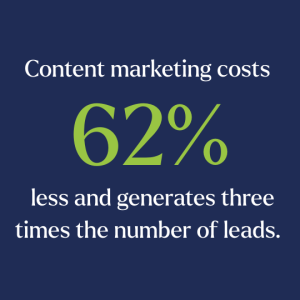
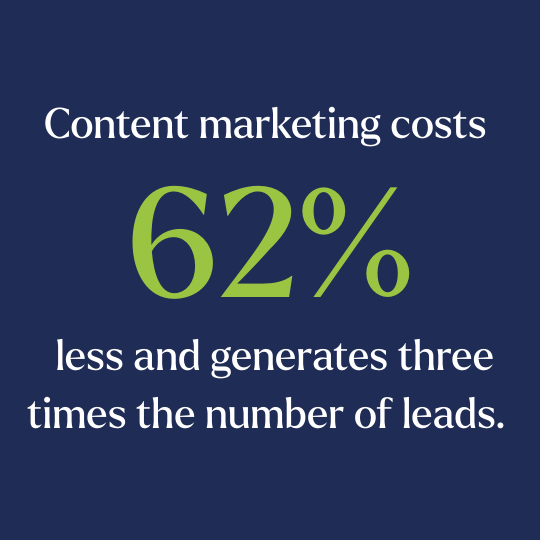
This approach is not only stronger, but it is also more efficient. Content marketing costs 62% less and generates three times the number of leads which is why brands that invest in value-driven content see better long-term performance.
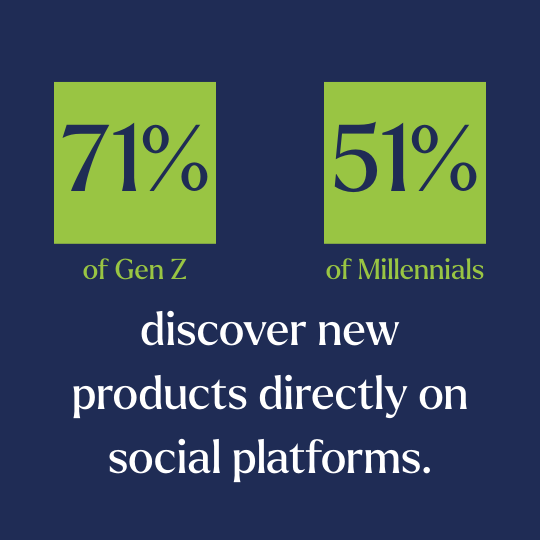
This matters more than ever. 71% of Gen Z and 51% of Millennials discover new products directly on social platforms. That means the everyday content stream is not background activity. It is the first impression. It is the storefront.
If content reinforces who the brand is and what it stands for, people are more likely to remember it when they reach a decision point.
Expanding Where Audiences Find You
The Summit also highlighted the importance of widening distribution strategies. Facebook remains a leader in impressions and TikTok excels at discovery, but brands that rely only on these channels leave opportunities on the table.
Some brands now build communities on Discord or host fan-focused events. Others use their websites as story hubs where customers share experiences. Many are embracing “Organish” amplification by taking strong organic posts and boosting them lightly for expanded reach. Some test creative in different geographic regions rather than splitting a single audience which leads to clearer performance insights.
These approaches help brands meet audiences where they already spend time and create more touchpoints that build familiarity and engagement.
A Clear Path for Stronger Digital Performance
Digital performance grows when brands invest in stronger content foundations and more intentional audience strategies. Success comes from content that carries its own value, AI tools that extend the life of every asset, precise movement across audience layers, a brand voice that feels human and a broader approach to distribution.
My takeaway: The brands that commit to these practices will not just reach more people. They will create content ecosystems that stay relevant as the digital landscape continues to evolve.