If you’re in sales or marketing, you’re probably feeling the pressures and challenges of competing for the time and attention of the ag producers you want to influence to make a purchase.
We all know that’s getting harder – but it isn’t as impossible as it may seem sometimes.
Farm Journal created a recipe for successfully influencing ag producers that brings together six key steps, built on a foundation of millions of data records on ag producers and insights into how they make decisions. Following this recipe can give you an edge and boost your potential to win in the marketplace.
Step 1: Understand your ideal customer
Imagine being an ag tech startup with a new solution that will help producers be more efficient and profitable, and needing to find the right market for this solution. The first step is to understand just who might be receptive to buying a new piece of tech, which is sometimes easier said than done.
To identify and uncover ideal customers – the ones most likely to buy – takes data beyond just acres, crops, and livestock heads, the kind of public data everyone can get. It also takes data about behavior, engagement, and interests that can be used to glean intent signals.
For example, a company marketing a new technology might want to target tech curious producers showing an interest in “smart farming.” Interest can be gauged with data that shows those producers are searching for related keywords and engaging with content on those topics. Engagement data can be correlated to demographic and farm operations data to paint a picture of who the ideal customer might be.
Step 2: Identify where your ideal customer is
Once our ag tech startup has answered “Who is in my market?” then the next question to explore is “Where are they?”
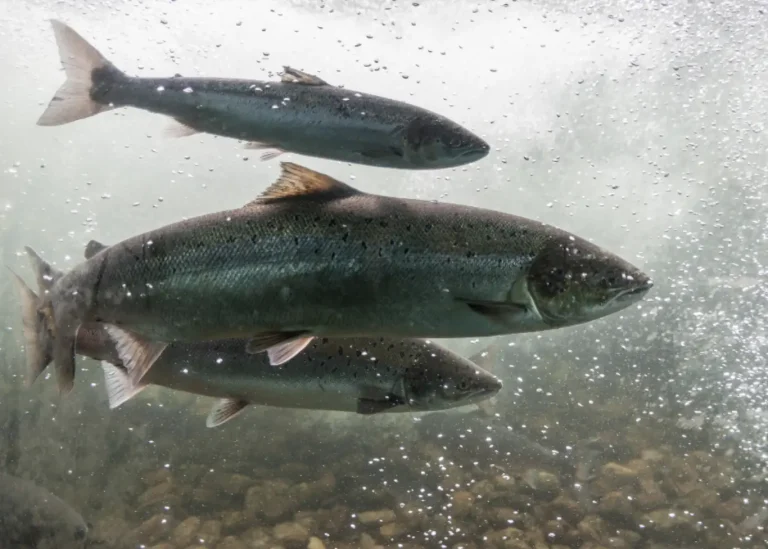
It’s understandable to think you must cast a wide net to bring in the most fish, but if you’re fishing for Atlantic salmon, you probably don’t want to cast your net in Alaska. The same idea applies to targeting your ideal customers. You’ll be most successful when you’re fishing in the right location for the kind of customer you want to catch.
It might make much more sense for our hypothetical startup to look at microregions where their ideal customers are clustered when planning marketing activations or sales territories – even down to the county level. That might bring in a smaller number of potential customers – but more of the right ones, who are showing interest in what you have to offer.
Again, that takes data on producers and an understanding of how their interests connect to a potential decision.
Step 3: Recruit your best dealers or retailers
Once our startup has identified and found their group of ideal customers, the next step is to find and recruit the frontline dealers or retailers in those regions who can land the sales. Dealers or retailers may already know and have relationships with those customers and getting them on your side can lead to them recommending your offering or selling it to their customers.
Step 4: Enable your dealers for success
But what if you’re trying to tap into an entirely new market and your dealers don’t already have established relationships with your ideal customers? You can arm – and train – your dealers with the same insights you used to identify and find your ideal customers.
Even if your dealers already know those customers and have sold them something else in the past, a data-backed producer profile can help them gain deeper understanding of what those producers care about and what new ideas or solutions they may be receptive to. That can translate into the opportunity for them to sell something new to their customers – and that something new is our ag tech startup’s innovative product.
Step 5: Drive farmer demand to your dealers
Your relationship with your dealers or retailers is a partnership that requires collaboration to succeed. They’ll be best positioned to sell your product or solution when you’re activating targeted marketing that engages the appetite of your ideal customers and capitalizes on their interest and intent so that they’re already on a decision journey when your dealer or retailer makes contact.
Delivering customers who are already warmed up by your data-driven understanding and strategies can help your dealers to reach the right producers, faster, and when they’re further along in their decision journey. And striking when the iron is hot is the key to closing more sales.
Step 6: Rinse and repeat
Once you see success in your microregion of ideal customers, then it’s time to start thinking bigger. Find the next cluster and the next and the next. Start to circle out and scale.
Instead of fishing from one particular mile of coastline, start casting bigger nets – but still in those places where you’re most likely to find Atlantic salmon instead of wasting effort and money pulling in fish you don’t want or need.
By starting smaller and then scaling, you can continue to influence more of the right producers – the ones most likely to buy.