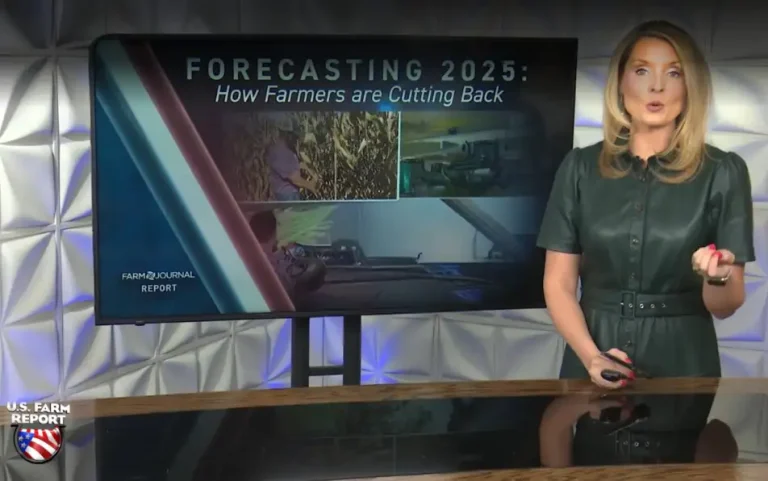
In light of recent challenges, farmers are strategically tightening their budgets for 2025. A recent AgWeb poll reveals that nearly 80% of farmers plan to cut machinery expenses, with many opting to retrofit existing equipment rather than invest in new machinery. Additionally, 60% intend to use more generic products to manage costs.
These shifts indicate a significant change in purchasing behavior, emphasizing cost-effectiveness and essential investments. For marketers targeting agricultural producers, adapting to this new landscape is crucial. Here are key strategies to align with farmers’ evolving priorities:
1. Emphasize Cost-Effective Solutions
With a substantial number of farmers turning to generic products, it’s essential to highlight the value proposition of your offerings. Demonstrate how your products can deliver comparable or superior results at a competitive price point. Providing clear data on cost savings and return on investment can make your products more appealing to budget-conscious farmers.
2. Offer Flexible Financing and Leasing Options
Given the reluctance to invest in new machinery, offering flexible financing or leasing options can make your products more accessible. This approach allows farmers to upgrade their equipment without significant upfront costs, aligning with their current financial strategies.
3. Provide Retrofitting and Upgrade Services
Since many farmers prefer retrofitting existing machinery, consider offering services or kits that enhance the performance of their current equipment. This not only meets their immediate needs but also fosters long-term relationships by positioning your brand as a supportive partner in their operations.
4. Highlight Efficiency and Multifunctionality
Products that offer multiple functions or improve operational efficiency can be particularly attractive. Emphasize features that reduce labor, save time, or lower input costs, as these benefits directly impact a farmer’s bottom line.
5. Enhance Digital Engagement and Support
With budget constraints, farmers are likely conducting thorough research before making purchasing decisions. Maintaining an informative and user-friendly online presence, offering virtual demonstrations, and providing prompt digital support can build trust and influence purchasing decisions.
6. Foster Community and Knowledge Sharing
Creating platforms for farmers to share experiences and solutions can position your brand as a valuable resource. This could include webinars, forums, or collaborative projects that address common challenges and promote cost-effective practices.
By aligning your marketing strategies with the current financial realities of farmers, you can build stronger relationships and demonstrate that your brand is attuned to their needs. This empathetic approach not only supports farmers during challenging times but also establishes a foundation for mutual success in the future.