Back-to-back Zoom calls. Packed calendars. A constant sprint to keep up, let alone spark bold new ideas to actually move the business forward. And when we do choose an idea? It snowballs into a massive project—complex, over budget, behind schedule—and rarely delivers the impact we hoped for.
This isn’t an episode of The Office. It’s modern corporate life.
But here’s the good news: there’s a fresh, practical way to break the cycle—and it’s built for tough times like these.
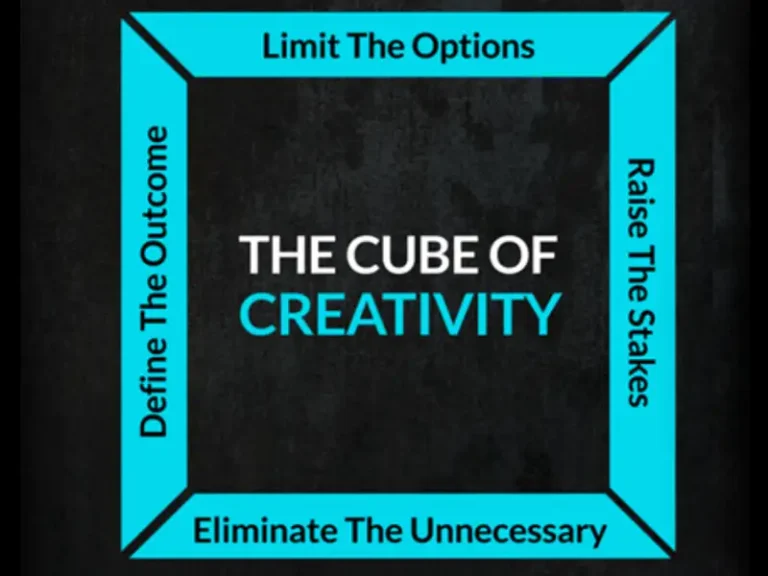
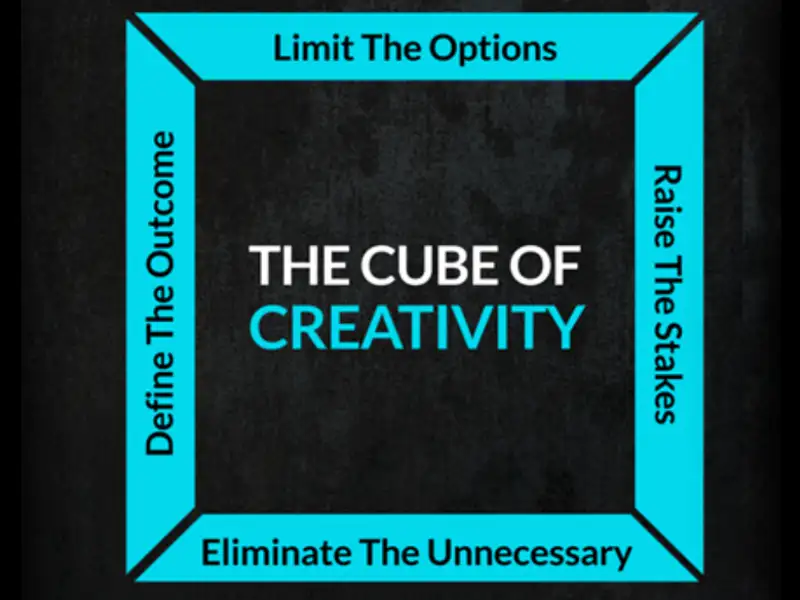
Enter: The Cube of Creativity
Marketing mastermind Andrew Davis introduced this framework during his keynote and workshop at Farm Journal’s BreakThrough Conference. It’s designed to thrive because of constraints, not despite them. And let’s face it, in today’s ag economy, constraints are everywhere.
The core idea: Constraints Fuel Creativity
When resources are tight, time is limited, and the pressure is on, we’re forced to get focused, get bold, and get moving.
Davis laid out a four-part playbook that’s as inspiring as it is actionable. Let’s walk through it—with an airline example you won’t forget.
Play #1: Define the Outcome
Start with one bold, clear result. Not five. Not a vague mission statement. One measurable win.
Davis states that we have to be bold and clear. If we think small here, the result will be disappointing and will not accomplish the mission.
He shared an example we can all relate to. JetBlue’s CEO challenged the team to cut five minutes from every plane turnaround. Why? Five minutes per flight equals one extra flight per day, which adds up to millions in annual revenue and happier passengers.
That’s the kind of clarity that sets everything else in motion.
Play #2: Limit the Options
It’s imperative to create urgency. Think fewer choices, faster action. Instead of endless brainstorming, Davis pushes teams to create urgency with unreasonable limits. For example, no extra budget, no added staff, no disruption to customers, and just one week to solve it.
This is often the most difficult because we are used to brainstorming piles of ideas that sit in a “parking lot”. We only see barriers before we even get started. For JetBlue, the unreasonable limitations were no additional budget, resources, additional work by staff or disruption to any customer experience. With their fiscal year just a few weeks away, they needed a solution in the next week.
Play #3: Eliminate the Unnecessary
A critical step to breaking through is to define what the team will stop doing to free up resources and time. Most teams are overloaded, not under-resourced. Davis challenges leaders to free up energy by cutting low-impact work. The key is to detach egos (and resources) and move the energy to a new solution and approach. In JetBlue’s case, they didn’t even need to scrap programs—just rethink processes. (More on their unexpected solution in a second.)
Play #4: Raise the Stakes
This effort requires clearly and loudly defining and communicating what happens if we do not achieve our outcome. Davis shared that this can be done through “incentives”—rewarding team members—or “consequences”—detailing the dire result if we don’t develop a strategy or approach. JetBlue’s future was at risk. Competing with airline giants meant flying more with less. The five-minute turnaround wasn’t just efficiency—it was survival.
Davis insists all four plays must work together. Hundreds of teams have used this model to innovate under pressure. At the BreakThrough summit, the 100+ ag marketing leaders in the room left with a powerful new framework for action.
And JetBlue’s creative win? They gained five minutes by… uncrossing the seatbelts before passengers boarded. Simple. Unexpected. Brilliant.
That’s the power of the Cube of Creativity.